
What Are Shin Splints?
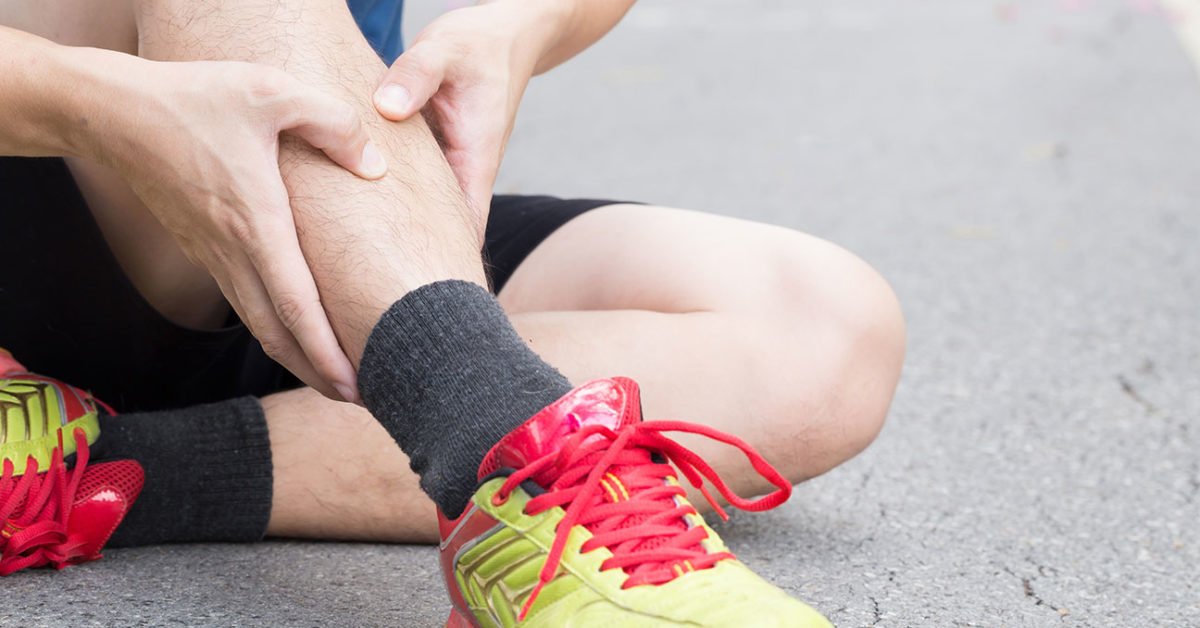
Shin pain is commonly referred to as shin splints, and pain is often felt along the shin bone (tibia — the large bone at the front of the lower leg). The muscles, tendons, and bones become inflamed and pain can last anything from hours to days, weeks, and even months.
Shin pain is a common injury suffered by athletes, particularly those participating in running and jumping-based sports such as basketball, netball, and football. It is characterised by pain in and around the tibia in the lower leg and usually occurs as a result of a sudden increase in the frequency, duration, and/or intensity of activity.
Types of Shin Pain
Shin pain can be categorised into three types:
| Shin Pain Type | Description |
|---|---|
| Medial Tibial Stress Syndrome (MTSS) |
|
| Tibial Stress Fracture |
|
| Anterior Compartment Syndrome |
|
Signs and Symptoms
The signs and symptoms of shin splints include:
- Pain in the front of the lower leg along the shinbone
- Tenderness, soreness, or swelling inside the shin
- Pain that develops gradually over time, often during or after exercise
- Intense pain at the beginning of exercise that gradually subsides
- Pain that returns or continues for some time after exercise
- Pain that is relieved upon rest, but returns when exercise is resumed
- Sharp or dull tibia bone pain, sometimes accompanied by a sensation of tightness or fullness in the calf
- Shin pain at night or at rest in more severe presentations — a warning sign that a tibial stress fracture should be considered
If you experience any of these symptoms, it may be necessary to consult with your podiatrist to determine the best course of treatment.
What Causes Shin Splints?
Like most overuse injuries, shin pain may develop gradually over time. Often the early signs are ignored, with people continuing the activities causing the problem. Common causes include:
- Abnormal biomechanics — overpronation (foot rolling inward excessively) or oversupination (foot rolling outward) creates excessive stress on the shinbone and surrounding tissues
- Training methods — sudden increases in training intensity, frequency, or duration (running on hard surfaces or activities requiring frequent stops and starts)
- Training surfaces — running on concrete or other hard surfaces increases impact on the lower leg
- Footwear — shoes lacking proper support, worn-out shoes, or shoes with inadequate arch support
- Poor flexibility — tightness in the calf muscles or Achilles tendon increases stress on the shinbone
- Low bone density — increases the risk of stress fractures in the shinbone
- Poor diet and vitamin D deficiency — low vitamin D or calcium levels lead to weaker bones, increasing the risk of stress fractures and shin splints
Treatment for Shin Splints
As with most acute soft tissue injuries, initial treatment for shin splints follows the RICER protocol — rest, ice, compression, elevation, and referral. RICE should be followed for 48–72 hours, with the aim of reducing bleeding and damage within the soft tissue.
The No HARM protocol should also be applied — no heat, no alcohol, no running or activity modification, and no massage during this acute period.
| RICER protocol | No HARM protocol |
|---|---|
|
|
At Highett Podiatry we will institute a personalised shin splints treatment plan for you, which may include:
- Pain-relieving treatments — ice therapy, non-steroidal anti-inflammatory drugs (NSAIDs), and rest to reduce pain and inflammation
- Soft tissue therapy — therapeutic ultrasound, massage, dry needling, taping, and cupping to reduce muscle tension and improve circulation
- Correction of biomechanical issues — addressing flat feet, overpronation, and muscle imbalances to treat the root cause and prevent recurrence
- Orthotics — custom or prefabricated orthotics to provide additional support and improve alignment of the feet and legs
- Footwear recommendations — shoes with good cushioning and support to reduce impact on the lower legs
- Training and rehabilitation advice — gradually increasing activity levels, cross-training with low-impact exercises, and modifying training surfaces
- Specific stretches for flexibility — calf stretches and ankle mobilisation exercises to improve range of motion and prevent muscle tightness
- Strength and muscle conditioning program — exercises including progressive calf raises to strengthen the calves, improve ankle stability, and build tibial load tolerance
- Return to activity plan — gradually increasing intensity and duration of exercise to prevent re-injury
We recommend participating in low-impact activities such as swimming, cycling, and deep-water running to maintain fitness while recovering from shin pain.
Why Choose Highett Podiatry?
Shin splints are one of the most common overuse injuries we treat at our Highett and Mentone clinics, particularly among runners and team sport athletes.
Our podiatrists take a load-based approach to treatment, focusing on what the tibia can handle and progressively building from there, rather than simply resting and hoping for improvement.
Please call us on 9555 3044 for a comprehensive assessment and treatment plan to manage your shin pain, or book online at our Highett or Mentone clinic. No referral required.