
CURLY TOES
WHAT ARE CURLY TOES?
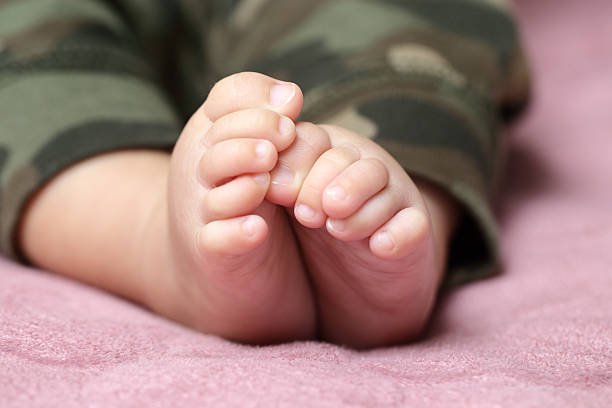
This common condition in children is usually present at birth but can become more noticeable when a child starts walking. It tends to occur in the third, fourth and fifth toes on one or both feet.
The toes curl under because the tendons that flex them are too tight and pull the toe under the next toe, curling it towards the underside of the foot.
SYMPTOMS
In many children, curly toes do not cause problems. Some may have the following symptoms:
Flattening or thickening of the toenails Difficulty wearing some style of shoes Sores or blisters from pressure Pain or discomfort with activities
CAUSES
It is unknown what causes the tendon to be tight, but it has been noted that the condition can affect several generations, which implies that it is passed on from parent to child (inherited).
TREATMENT
Curly toes are a variant of normal, and generally don’t require treatment unless they are symptomatic. It is possible the alignment of the toes will improve spontaneously with growth in the first 5 years of life.
Simple non-operative measures such as shoes with extra space across the toes may be helpful, but taping has not been shown to make a difference when discontinued.
Persistent, problematic toes beyond age 5 may be treated by surgery. This involves a simple procedure under an anaesthetic, to cut the tight flexor tendon(s) improving the position of the toes and is generally successful.
ALWAYS CONSULT A TRAINED PROFESSIONAL
The information in this resource is general in nature and is only intended to provide a summary of the subject matter covered. It is not a substitute for medical advice and you should always consult a trained professional practising in the area of medicine in relation to any injury or condition. You use or rely on information in this resource at your own risk and no party involved in the production of this resource accepts any responsibility for the information contained within it or your use of that information.