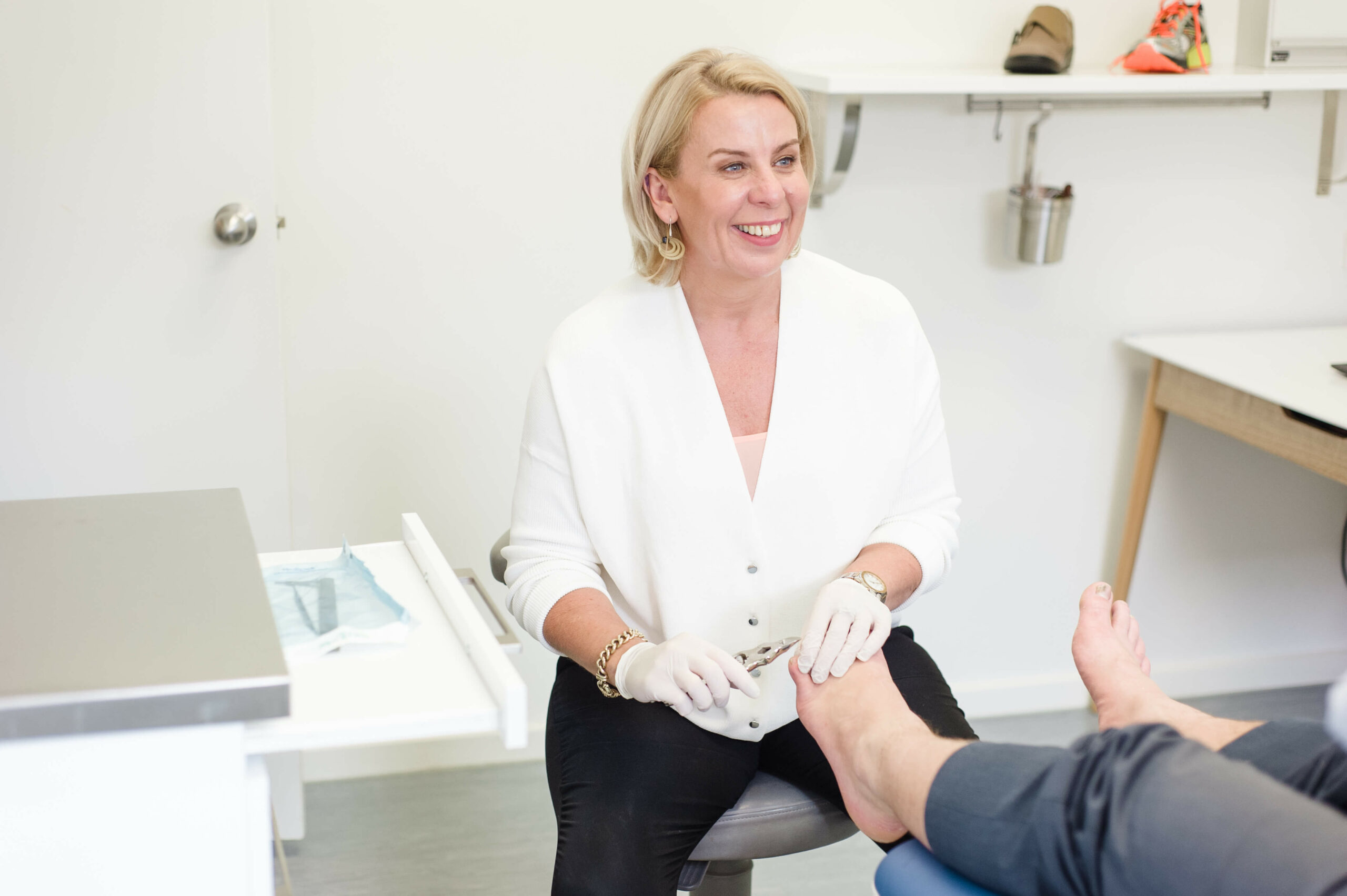
The feet are exposed to more pressure, friction, heat, and moisture than almost any other part of the body, which makes them particularly prone to a wide range of skin conditions. These can range from fungal infections like athlete’s foot and inflammatory reactions such as eczema and psoriasis, through to viral growths like plantar warts, and cold-induced conditions like chilblains. Pressure-related concerns, such as corns and calluses, are also among the most common presentations we see.
Skin problems on the feet are often dismissed or self-treated for too long, which allows them to worsen, spread, or become complicated by secondary infection. Getting an accurate diagnosis early is the most important step, because many foot skin conditions look similar but require very different treatment approaches.
Why See a Podiatrist for Foot Skin Conditions?
Podiatrists are uniquely positioned to manage skin conditions on the feet because we understand both the dermatological presentation and the mechanical factors driving it — pressure distribution, footwear friction, moisture, and gait. This means we’re not just treating what’s visible on the surface, but addressing the conditions that caused or aggravated it.
What Patients Need to Know
Many skin conditions on the feet are manageable but not always curable — the goal is effective long-term control alongside symptom relief. A few things worth knowing before your appointment:
- Accurate diagnosis — conditions like athlete’s foot, foot eczema and psoriasis can look nearly identical but require different treatment. Don’t assume a diagnosis based on appearance alone.
- Over-the-counter treatments often fail because they don’t address the underlying cause or aren’t used correctly. This is particularly common with plantar warts and fungal infections.
- Some conditions, including plantar warts and athlete’s foot, can spread to other areas of the foot or to other people if left untreated.
- Patients with diabetes, poor circulation or a weakened immune system should seek assessment promptly for any skin change on the feet, as corns, wounds, and infections can escalate quickly.
How We Treat Skin Conditions on the Feet
Our approach starts with a thorough assessment to confirm the diagnosis before any treatment begins. Depending on the condition, management may include:
- Clinical skin assessment — visual examination, pressure testing, and history-taking to confirm the cause and rule out other conditions
- Debridement and skin care — removal of thickened, callused, or affected skin, including corns and calluses, to reduce discomfort and improve treatment access
- Topical and prescription therapies — we offer a range of treatments from antifungal agents and acid-based therapies to SWIFT microwave therapy, our most effective option for targeting the HPV virus in plantar warts
- Footwear and hygiene guidance — practical advice on reducing moisture, friction, and environmental exposure that drives conditions like athlete’s foot and chilblains
- Referral where appropriate — for conditions such as psoriasis requiring dermatological or systemic management, we coordinate with your GP or specialist
Why Choose Highett Podiatry?
Skin conditions on the feet are one of the most common presentations across our Highett and Mentone clinics, and our podiatrists are experienced in the full range. We take the time to confirm the diagnosis before recommending treatment, and we offer a broader range of clinical treatment options than most general practices.
No referral needed. Book an appointment at our Highett or Mentone clinic.