Our second clinic at Mentone has opened! Highett Podiatry is accepting new patients across both clinics. Book now.

Heel Pain

Mentone Podiatrists And Orthotic Services

Heel pain is one of the most common reasons people visit us. It can make walking, work, and sport difficult, particularly when it’s sharp first thing in the morning or when it flares after long periods on your feet. We provide a clear diagnosis and a personalised plan to help you move comfortably again.

Because heel pain can have different causes, we assess your symptoms, activity level, footwear, foot biomechanics, and tissue load to guide effective treatment and reduce recurrence.

Symptoms and Diagnosis

Heel pain can feel sharp, aching, burning, or bruised depending on the cause. Common symptoms include:

  • Pain with the first steps in the morning or after rest
  • Discomfort that worsens with standing, running, hills, or jumping
  • Tenderness under the heel, at the back of the heel, or along the arch
  • Stiffness, especially after activity
  • Pain that alters your gait

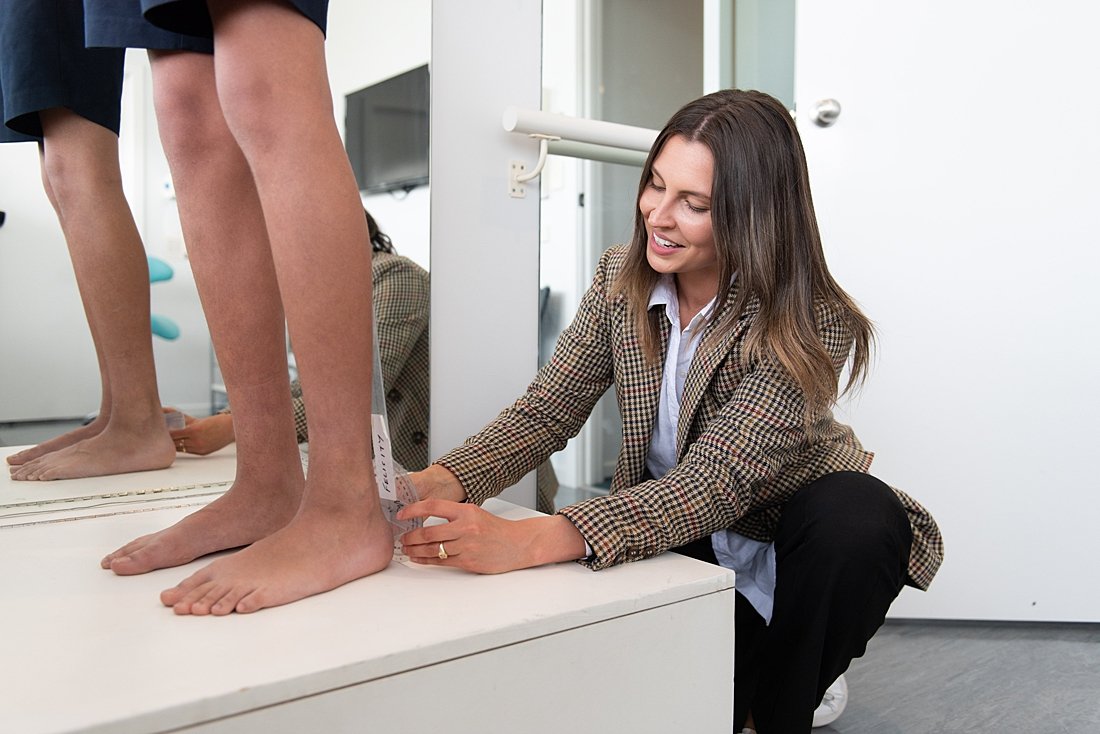
We complete a clinical assessment of foot posture, ankle mobility, calf flexibility, tissue tenderness, strength, and walking mechanics. This helps determine the cause of your heel pain and guides the most appropriate treatment.

Treatment for Heel Pain

Treatment is tailored to your diagnosis and lifestyle. Options may include:

Footwear Advice

Footwear assessments and advice can reduce repetitive strain and improve comfort. We guide you on heel cushioning, midfoot support, and the right shoe structure for your foot type and activity.

Offloading and Taping

Taping, padding, and offloading strategies reduce stress on painful structures and can provide fast relief, particularly for plantar fascia-related pain.

Orthotic Therapy

Orthotics may be prescribed to reduce strain, redistribute load, and support foot function when biomechanical factors contribute to ongoing symptoms.

Stretching and Strengthening

Calf flexibility and progressive strengthening are essential for long-term recovery, especially for Achilles-related pain and plantar fascia overload. We provide a safe, progressive exercise plan.

Soft Tissue Therapy and Modalities

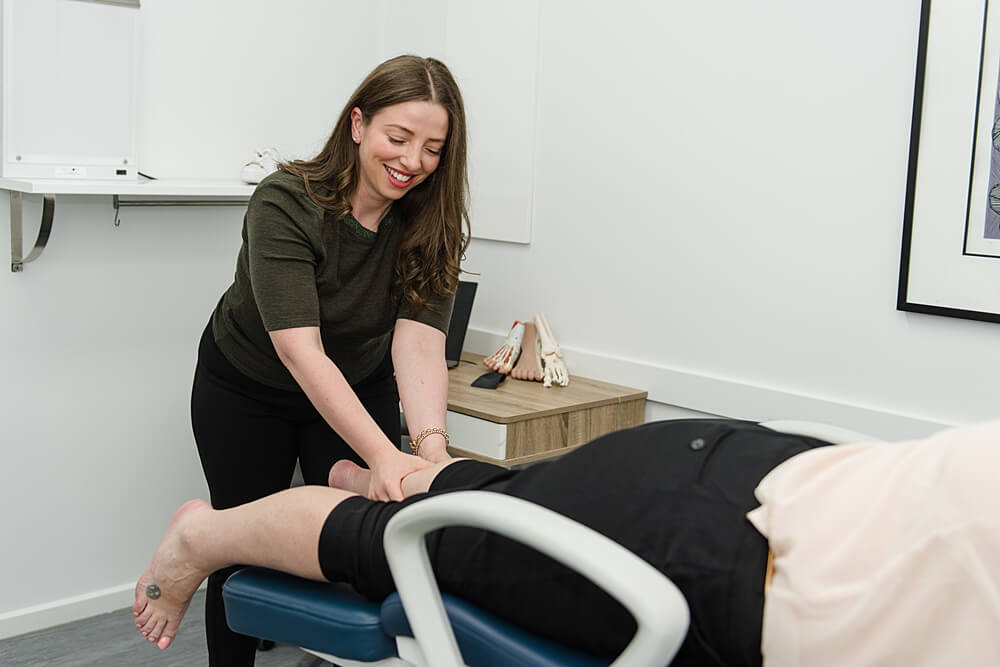
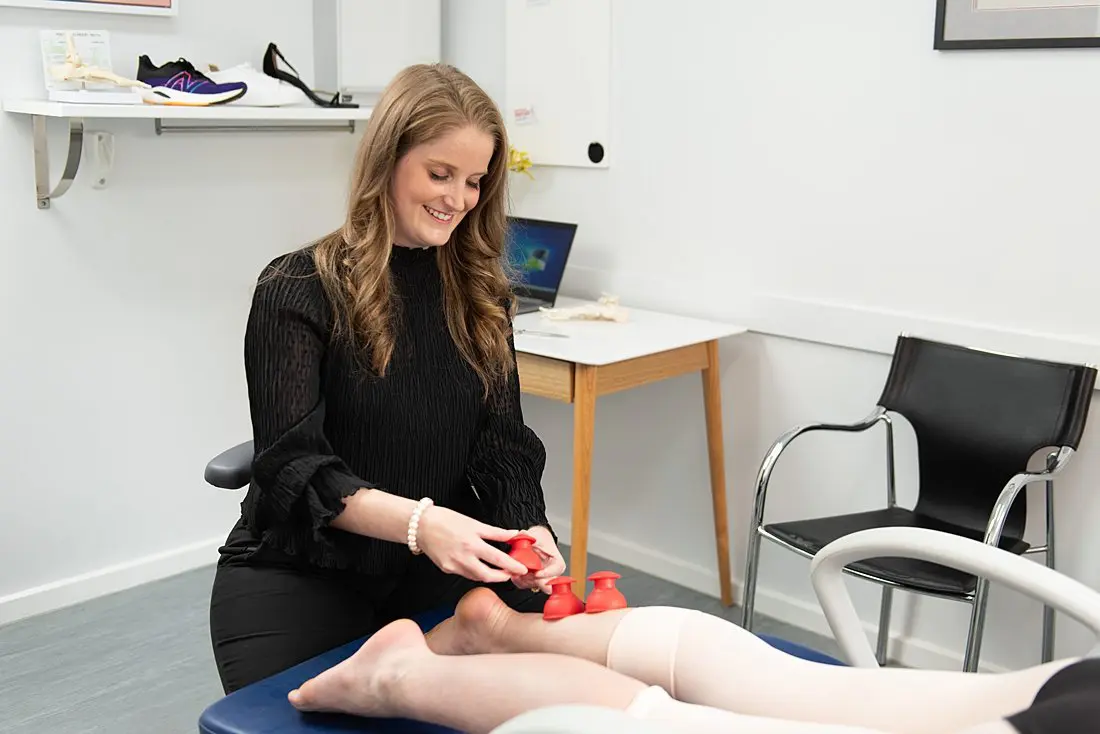
Hands-on therapy and supportive modalities may be used to reduce pain and improve function, alongside a structured rehab plan.

Return to Activity Planning

A staged progression helps you return to walking, running, or sports without repeatedly flaring symptoms. This is often the missing piece for those who have tried rest alone.

How It Works

Consultation

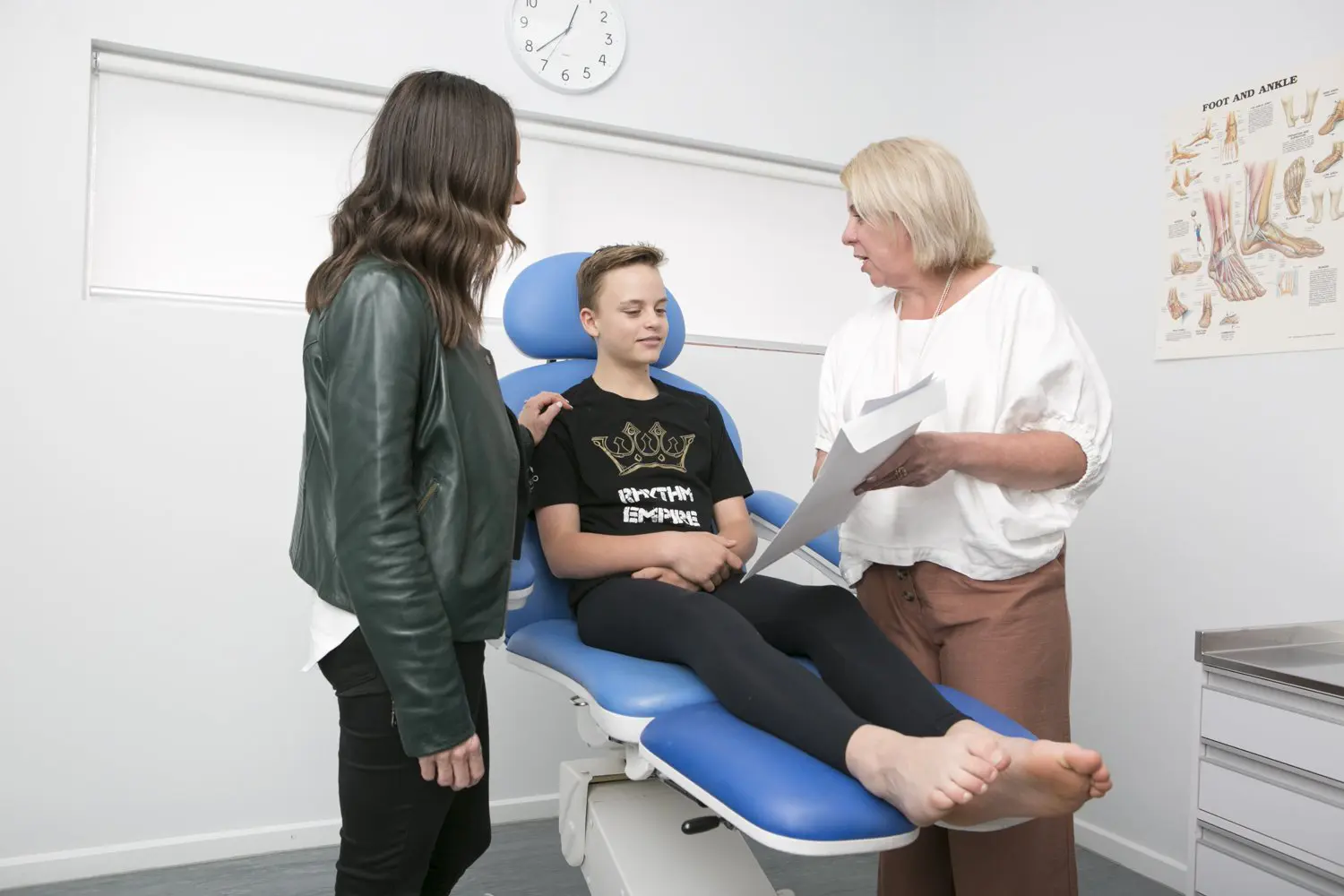
We discuss when symptoms occur, your activity level, footwear, and any recent changes that may have triggered pain.

Diagnosis

We assess key structures and mechanics to determine the most likely cause and whether imaging or referral is required.

Treatment Plan

You receive a plan including footwear guidance, offloading strategies, exercises, and targeted interventions for your presentation.

Follow-Up

Progress is reviewed, and treatment is adjusted as pain reduces and load tolerance improves.

Prevention and Long-Term Care

Once symptoms settle, we provide strategies to reduce recurrence, including guidance on training progression, strength maintenance, and footwear planning.

Why Choose Us?

Heel pain can be stubborn, but the right diagnosis and plan make a big difference. We provide clear explanations, practical heel pain relief, and evidence-informed treatment tailored to your daily needs and activity goals. If you’re wondering what causes heel pain or you’re tired of ongoing heel pain, we can help you get back on your feet more comfortably.

Book an appointment or contact us for more information. 

Frequently Asked Questions (FAQ)

The cause of heel pain depends on the structure involved. Common causes include plantar fasciitis, Achilles tendinopathy, and, in children, Sever’s disease. Other causes include nerve irritation, bruising, stress fracture, or fat pad irritation.

The best treatment for heel pain depends on the diagnosis. Most plans include load management, footwear changes, offloading/taping, and progressive strengthening. A personalised plan is often more effective than generic stretching alone.

Short-term heel pain relief often comes from reducing load, improving footwear support, and using taping/offloading strategies. However, lasting relief usually requires addressing the cause and rebuilding tissue capacity.

Morning pain is common in plantar fascia-related heel pain because the tissue stiffens during rest. First, take the first steps, then load the tissue suddenly, causing sharp discomfort. Targeted treatment helps reduce this pattern.

If pain is persistent, worsening, causing limping, or not improving with basic measures, book an assessment. Seek prompt care if there is severe pain, bruising, swelling, numbness/tingling, night pain, or concern for a stress fracture.

ALWAYS CONSULT A TRAINED PROFESSIONAL

The information in this resource is general in nature and is only intended to provide a summary of the subject matter covered. It is not a substitute for medical advice and you should always consult a trained professional practising in the area of medicine in relation to any injury or condition. You use or rely on information in this resource at your own risk and no party involved in the production of this resource accepts any responsibility for the information contained within it or your use of that information.

CLINIC LOCATIONS

Highett Clinic
Shop 1 & 2, 407 Highett Road
Highett VIC 3190

Mentone Clinic

7–9 Como Parade West
Mentone VIC 3184

No Referral Necessary

Saturday & Sunday Closed

Have questions about
Medicare CCMP plans or private fees?