
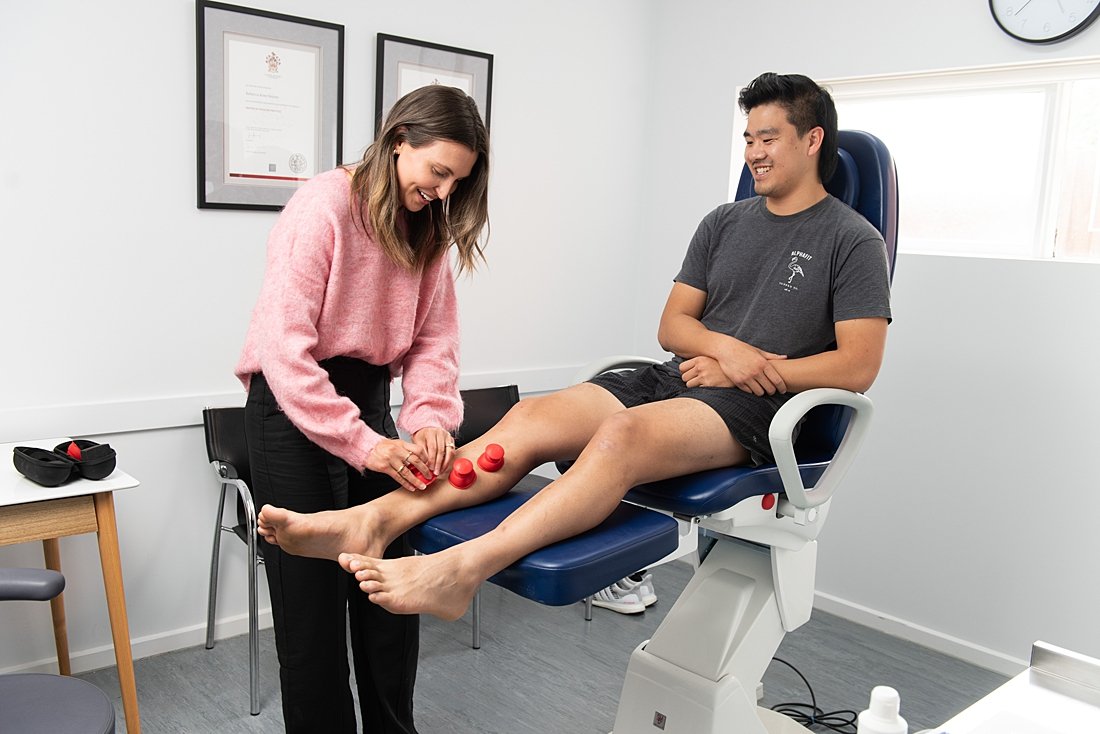
Foot and ankle pain is one of the most common reasons Australians seek podiatry care and one of the most varied. The foot alone contains 26 bones, 33 joints and over 100 muscles, tendons and ligaments. Any of these structures can become a source of pain and the cause isn’t always where the pain is felt.
Whether you’re dealing with pain that came on suddenly after an injury or a dull ache that’s been building for months, getting an accurate diagnosis is the most important first step. Foot and ankle pain that’s left unaddressed tends to worsen over time, affect your gait and create secondary problems in the knees, hips and lower back.
Common Causes of Foot and Ankle Pain
Foot and ankle pain can stem from a wide range of conditions. Some of the most common presentations we see at our Melbourne clinics include:
Heel and Arch Pain
- Plantar fasciitis — the most common cause of heel pain, involving inflammation of the tissue along the base of the foot
- Heel spurs — bony growths at the heel bone, often associated with plantar fasciitis
- Achilles tendinopathy — overuse-related pain and stiffness at the back of the heel
Midfoot and Forefoot Pain
- Metatarsalgia — pain and inflammation at the ball of the foot
- Morton’s neuroma — nerve irritation between the toes causing burning or shooting pain
- Stress fractures — small bone cracks from repetitive loading, common in the metatarsals and navicular
- Lisfranc injuries — damage to the midfoot joint complex, frequently underdiagnosed
Ankle Pain
- Ankle sprains — ligament injuries from rolling the ankle, ranging from mild to complete tears
- Peroneal tendinopathy — pain along the outer ankle from overuse of the peroneal tendons
- Posterior tibial tendon dysfunction — inner ankle and arch pain from tendon overload, often leading to flat foot changes
- Ankle osteoarthritis — joint degeneration causing stiffness, pain, and reduced range of motion
Toe and Joint Pain
- Gout — sudden, severe joint pain from uric acid crystal deposits, most commonly in the big toe
- Bunions — a bony deformity at the base of the big toe causing pain and footwear difficulty
- Arthritis — inflammatory or degenerative joint changes affecting movement and comfort
What Patients Need to Know
A few things that make a meaningful difference to outcomes:
- Pain location isn’t always the source of the problem. Pain felt in the heel can come from the arch. Ankle pain can be driven by hip mechanics or flat feet. A thorough assessment looks at the full picture.
- Imaging alone doesn’t tell the full story. X-rays and MRIs are useful tools but diagnosis requires clinical assessment (two people can have identical imaging findings with very different symptoms and treatment needs).
- Foot and ankle pain responds well to early treatment. Most conditions are significantly easier to manage in the early stages. Waiting for pain to resolve on its own often leads to longer recovery times.
- Footwear matters more than most people realise. A significant proportion of foot and ankle pain is driven or aggravated by unsupportive, worn-out or poorly fitted shoes.
How We Treat Foot and Ankle Pain
At Highett Podiatry, we begin every appointment with a thorough assessment to identify the root cause before any treatment begins. Depending on the diagnosis, management may include:
- Biomechanical and gait assessment — evaluating how you walk and move to identify the mechanical drivers of pain
- Diagnostic imaging — X-ray, ultrasound or MRI, where needed to confirm the diagnosis
- Load and activity modification — practical adjustments to training, activity or daily habits to allow tissue healing without unnecessary rest
- Footwear assessment and recommendations — ensuring your footwear supports rather than aggravates your condition
- Custom orthotics — to correct foot mechanics, redistribute load and reduce strain on painful structures
- Soft tissue therapy, dry needling and joint mobilisation — hands-on treatments to reduce pain, improve mobility and restore normal movement patterns
- Therapeutic ultrasound — to support tissue healing and reduce inflammation in soft tissue injuries
- Rehabilitation and strengthening program — progressive exercises to rebuild strength and prevent recurrence
- Surgical referral where required — for conditions that don’t respond to conservative management or require orthopaedic input, we’ll coordinate referral and continue to support your recovery
Why Choose Highett Podiatry?
Foot and ankle pain management is what we do every day, across every age group and activity level. Our team of podiatrists brings clinical experience across sports injuries, biomechanics, paediatrics, dance and general podiatry.
We take the time to get the diagnosis right before recommending treatment and we’re transparent about what to expect and how long it will take.
Book an appointment online at our Highett and Mentone clinics. No referral required.
